


I was scrolling through some fresh leaks from Silicon Valley this morning, sipping my very real, very hot coffee, when I read something that made me nearly drop my mug. We’ve all heard the rumors about Neuralink and Meta working on their own paths toward the future, but the latest reports suggest something much more intimate—and honestly, a bit chilling.
The idea that smart glasses and neural implants are merging isn’t just a “cool tech update” anymore. I’m looking at reports of secret test phases where users aren’t just seeing digital objects; they are feeling them. I’m talking about people feeling the actual warmth of a virtual cup of coffee.
When I first read this, I felt a shiver. We aren’t just talking about better graphics or faster processors. We are talking about the dissolution of the boundary between the physical and the digital. I’ve been following this space for years, but this? This feels like the “Point of No Return.”
Why “Looking” is Becoming “Feeling”
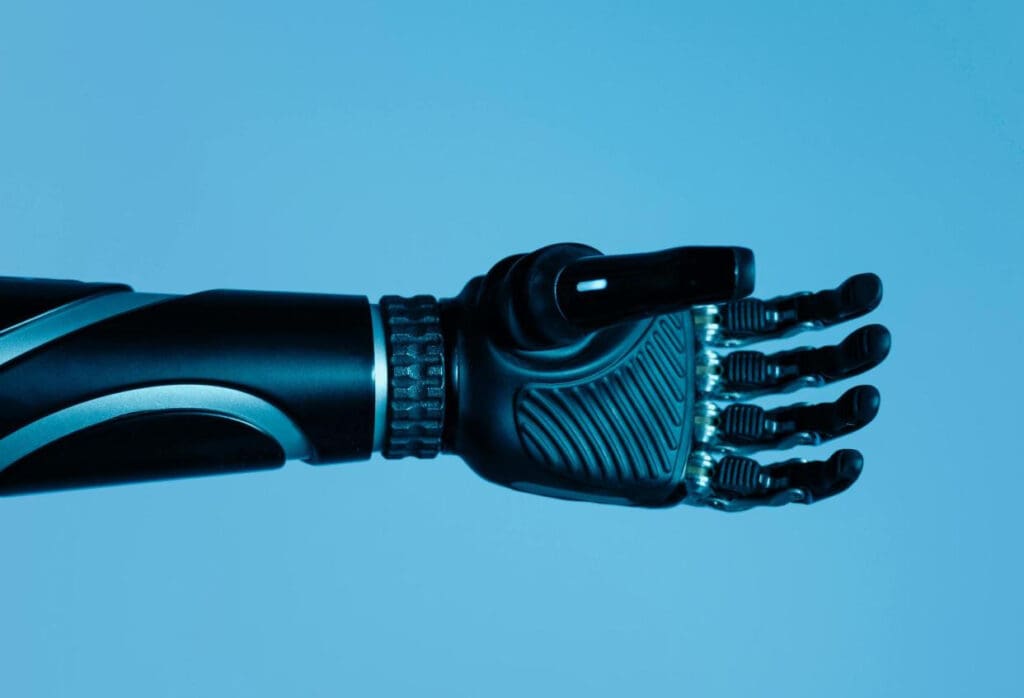
For a long time, Augmented Reality (AR) was just a layer of paint over the real world. You put on a pair of glasses, and you see a digital clock on your wall. Big deal, right? But the magic—or the terror—happens when you involve Neuralink’s high-bandwidth brain-computer interface (BCI).
According to these leaks, the integration allows for sensors to analyze brain waves ten thousand times a second. ### What does this actually mean for us?
- Zero Latency Interaction: Traditional AR requires you to wave your hands around like a wizard (hand-tracking). With a neural link, the glasses know you want to “click” before your muscles even twitch.
- Sensory Substitution: The most mind-blowing part of the report was the thermal feedback. By stimulating specific neural pathways, the system tricks your brain into perceiving temperature and texture.
- The End of Hardware: If your brain perceives a screen and your fingers “feel” a keyboard that isn’t there, why would you ever buy a physical laptop again?
I personally find the idea of feeling a virtual object both fascinating and slightly claustrophobic. If I can feel the heat of a virtual coffee, what’s to stop the system from making me feel “pain” or “cold” in a digital environment? It’s a level of immersion I’m not sure we’re psychologically ready for.
The Death of the Touchscreen

I remember when the first iPhone came out and how “pinching to zoom” felt like magic. Now, I look at my smartphone and it feels like a relic. If these Meta-Neuralink hybrid tests are successful, physical touchscreens are officially history.
Think about it. Our current way of interacting with technology is incredibly clunky. We use our thumbs to tap on a piece of glass to tell a machine what we want. It’s slow.
How the “Neural Interface” replaces the “Glass Interface”:

- Direct Intent: You don’t “open an app.” You simply intend to see your messages, and the glasses project them into your field of vision instantly.
- Haptic Ghosting: The system creates “resistance” in your nervous system. When you move your hand to “touch” a virtual button, your brain receives a signal that says “you’ve hit something solid.”
- Invisible Computing: Tech becomes invisible. No wires, no bulky headsets—just a pair of stylish frames and a tiny chip that becomes part of your biology.
I’ve often wondered if we are becoming too dependent on screens, but this goes a step further. We won’t just be looking at the screen; we will be the screen. I’m curious—and a bit worried—about how this will change our focus. Will we ever be “offline” again if our brains are wired directly into the Meta-ecosystem?
Is This Freedom or a Digital Cage?

This is where I get a bit stuck. On one hand, the tech-lover in me is screaming with excitement. Imagine being able to “teleport” to a beach, feel the sun on your skin, and the sand between your toes—all while sitting in a tiny apartment during a gray winter. That is pure freedom.
On the other hand, the human in me is cautious. We are talking about giving a corporation access to our neural data.
- Privacy 2.0: If a sensor reads your brain waves 10,000 times a second, it doesn’t just know what you’re doing; it knows how you feel about what you’re seeing.
- The Sensory Monopoly: If Meta controls what you feel (the warmth of the coffee, the soft touch of a virtual hand), they control your perceived reality.
- Digital Addiction: How do you walk away from a reality that feels just as “real” as the physical one, but is much more “perfect”?
I’ve always said that technology should empower us, not replace our humanity. I’m standing on the edge of this realization, feeling both the thrill of the future and a deep sense of responsibility to ask: At what point does the “Metaverse” stop being a place we visit and start being the only place we live?
My Final Take
I truly believe we are witnessing the most significant jump in human evolution since the invention of the internet. The merging of Meta’s visual prowess and Neuralink’s biological bridge is going to change what it means to be “human.”
Physical objects are becoming optional. Physical sensations are becoming programmable. It’s a terrifyingly beautiful new reality, and I, for one, am keeping my eyes (and my mind) wide open.
I’m really interested to hear your thoughts on this one because it’s a heavy topic. If you had the chance to “plug in” and feel a digital world as if it were 100% real—the heat, the touch, the emotions—would you do it, or does the idea of a chip in your brain make you want to head for the hills?
Would you trade your physical smartphone for a neural link if it meant you could “feel” the digital world?