

I still remember the absolute frenzy a few years ago. You couldn’t open an app, read an article, or attend a tech conference without someone preaching about how we were all going to live, work, and socialize in a digital utopia. The hype was so intoxicating that one of the biggest tech giants on earth actually changed its name to reflect this new reality.
Fast forward to today, and the silence is deafening.
Whenever I bring up the metaverse now, people usually roll their eyes or chuckle, dismissing it as a pandemic-era fever dream. But how did we get from “the inevitable future of human interaction” to a punchline so quickly? Let’s dive into what actually happened behind the scenes, why we collectively rejected the virtual world, and why I believe the story is far from over.
The $70 Billion Reality Check
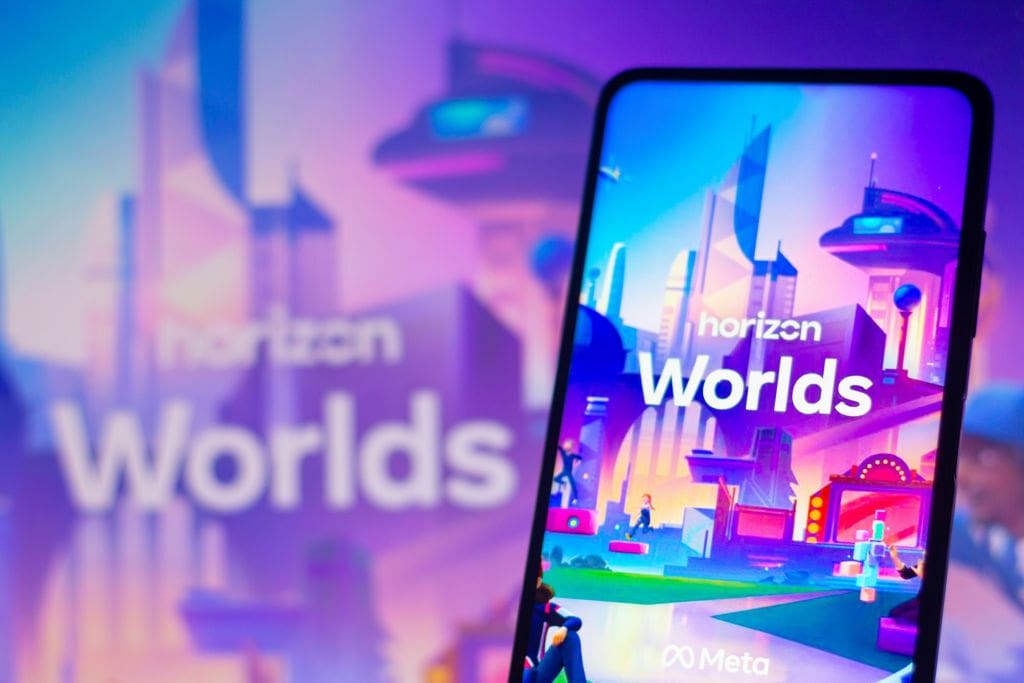
Let’s look at the raw numbers, because they paint a brutal picture. Meta‘s pivot was historic, but the financial toll has been staggering. Between 2021 and the end of 2025, the company wrote off over $70 billion in losses chasing this dream.
I’ve been watching their Reality Labs division closely, and you can see the panic setting in. Budgets are facing massive cuts. Just recently, we saw an incredibly revealing moment of corporate indecision: the company announced they were going to shut down their flagship social platform, Horizon Worlds, in 2026, only to immediately backpedal and say it would survive strictly on Quest devices.
When the biggest cheerleader of the metaverse is showing this level of hesitation, it’s clear that things haven’t gone according to plan.
We’ve Been Chasing This Ghost for Decades

One of the biggest misconceptions I see is that Mark Zuckerberg invented the metaverse concept in 2021. The truth is, this idea is older than most of the internet.
Science fiction writers were dreaming up digital realms back in the 1960s. We saw clunky, headache-inducing VR arcades in the 90s. And if you were online in 2003, you probably remember Second Life. For a brief moment, Second Life felt like the future—but it was ultimately held back by severe technical limitations and a steep learning curve.
When the pandemic hit in 2020, the timing felt perfect for a revival. We were all trapped inside, living through our screens, working remotely, and desperate for connection. The pitch was simple: Stop staring at flat screens and step inside them. But the execution? That was a different story.
The “Why Bother?” Problem

The metaverse was sold to us with massive, world-changing promises. We were going to have immersive virtual meetings, attend digital concerts, and build whole new economies.
In reality, most of us took one look at the virtual office and thought: “I can already do this on Zoom and Slack, and I don’t need a headset to do it.”
The friction was simply too high. To join a virtual meeting, you had to:
- Charge your headset.
- Strap a heavy piece of plastic to your face.
- Fiddle with your avatar.
- Try to ignore the isolating feeling of being blocked off from your physical surroundings.
And the reward for all that effort? A clunky, legless cartoon version of your boss giving a presentation. The technology failed to answer the most fundamental consumer question: “Why is this better than what I already have?”
The Hardware Headache (Literally)

I love trying out new gadgets, but I have to be honest—spending an hour in a VR headset is exhausting.
The hardware remains one of the biggest roadblocks. Despite immense progress, VR goggles are still relatively bulky, heavy, and uncomfortable for extended use. But the real issue is biological.
Your brain and your eyes are fundamentally disagreeing. Your eyes are focused on a tiny screen inches from your face, but the software is tricking your brain into thinking you are looking at objects miles away. Add physical movement into the mix, and it’s a recipe for instant nausea and headaches.
The technology works, but the human body is actively rejecting the experience.
Digital Fatigue and the Ghost Town Effect

We are tired. We are already staring at phones, monitors, and TVs for 12 hours a day. When companies pitched the metaverse, they failed to account for profound technology fatigue.
Telling an exhausted remote worker to put a screen directly over their eyes to relax was never going to work. People crave simplicity. Why would I navigate a clunky virtual shopping mall when I can just scroll through Instagram and buy something with one tap?
I saw this play out perfectly with a major brand recently. They spent months and a small fortune building a beautifully designed virtual storefront.
- Week 1: 200 curious visitors logged in.
- Month 1: Traffic dropped to single digits.
It was a ghost town because the brand built something cool, but completely ignored human behavior.
Plot Twist: AI Might Be the Metaverse’s Savior

Now, here is the part that genuinely excites me. Everyone says Artificial Intelligence killed the metaverse by stealing all the investment and media hype. But AI might actually be the exact tool needed to bring it back from the dead.
Building virtual worlds used to be agonizingly slow and expensive. Every tree, every building, and every digital jacket had to be manually coded and designed by humans. The worlds felt empty because filling them was too costly.
Generative AI changes everything:
- Instant World-Building: Instead of coding a virtual city, developers can use AI prompts to generate massive, detailed environments in seconds.
- Smart NPCs: Remember those empty virtual rooms? AI can populate them with intelligent, conversational characters that actually feel alive.
- Endless Content: AI can auto-generate quests, events, and interactions, making these digital spaces dynamic rather than static.
AI is providing the heavy machinery needed to finally build the metaverse we were promised.
The Hype is Dead, But the Future Isn’t
When I look at the landscape right now, I don’t see a dead technology. I see a technology that arrived too early.
Think about the early smartphones in the early 2000s—they were slow, frustrating, and mostly used by business executives. It took years of quiet refinement before the iPhone changed the world. The metaverse is in that exact same “trough of disillusionment.”
The flashy announcements and ridiculous valuations are gone. What’s left are the engineers and developers quietly doing the real work. Gaming is still pushing boundaries, Augmented Reality (AR) is slowly integrating into our daily lives, and spatial computing is becoming more refined.
The metaverse isn’t dead; it just put its head down to get back to work.
I’m curious about your breaking point. What would it actually take—lighter glasses, better games, or a specific app—for you to willingly wear a headset every single day? Let me know in the comments below, I read every single one!
You Might Also Like;
- The Silent Collapse of the Metaverse: Why We Refused to Plug In
- Revolutionizing Rooftops: The Rise of Curved Perovskite Solar Tiles
- HoverAir X1 Self-Flying Camera Review: Specs, Pros & Cons
This content was originally published on %The Silent Collapse of the Metaverse: Why We Refused to Plug In% by YourSiteName.